

It’s finally time for spring, summer, gardening and BLOOMS! Before the plants and flowers really start to take off here in Michigan, you’ll need to get the gardens ready to welcome them. Great gardens grow from the ground, up, starting with soil and mulch.
Prepping Your Soil
Healthy soil is the foundation of a successful garden. Here in Zone 6, the last frost usually lingers until late April or early May, making this the perfect time for soil preparation.
Test Your Soil if Needed: Don’t guess—MSU Extension offers a mail-in soil test kit for $26. It provides exact recommendations for pH and nutrients like Phosphorus and Potassium, preventing over-fertilization.
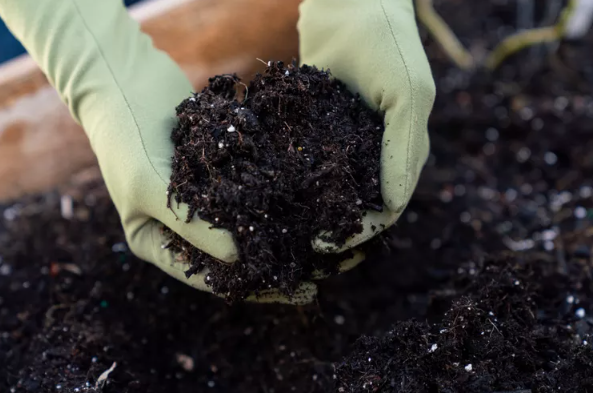
If you tend to have heavy clay soil, it will need organic matter to improve drainage. You’ll need to mix in some pure compost, a compost fertilizer, or a soil blend that includes compost. On the other end of the soil spectrum, sandy soil drains too fast. Here you may need to mix in the organic matter to help the soil bind better and hold moisture. You can always speak with our experts at Knapp Valley about the garden soils and supplements we have to address your specific needs.
For established beds, simply top-dress with some compost, or a fresh layer of a soil mix that is made for garden beds. Our Garden Blend Planting Soil is an equal mix of sand, silt, and clay, with about 10 percent compost mixed in.
Whatever you do, never till or dig in soil that is dripping wet, as this can destroy soil structure and lead to heavy compaction.
Master Your Mulching
Mulch is your best friend for suppressing weeds and keeping roots cool during those humid Michigan summers. Timing is key. Wait until the soil has warmed up—typically when daffodils are finishing and tulips are starting. Applying mulch too early can trap the cold in the ground and delay your perennials’ return.
Choose Your Material: Shredded bark is a classic mulch for curb appeal and long-term moisture retention. There are several kinds and colors of mulch, from basic, shredded up bark, to safely-dyed woods in brown and black, to cedar mulch, which offers a pleasant scent and may help with insect control.
When it starts to break down you can mix the shredded bark into the soil for that year’s organic matter and put new top-dressing soil and mulch (typically every 1-3 years) right over the top.

Straw is a best used to mulch vegetable beds but avoid hay, which is often full of weed seeds.
A couple of tips when it comes to mulch: The “3-Inch Rule” means applying about 3 inches for trees and shrubs. But stick to 1-2 inches around perennials to avoid smothering them. And don’t forget to Mind the Gap: Always keep mulch 2–3 inches away from the base of stems and trunks. “Mulch volcanoes” up against a plant can cause rot and invite pests.
Once the base is ready, you can plant your perennials and hardy or semi-hardy crops, asap. But you’ll want to wait until around mid-May to plant tender annuals so they are not subject to cold temps. If a late frost does sneak in, cover the vulnerable plants with lightweight fabric or plastic for the night.