

Michigan summer is in full swing! Temps and humidity levels are soaring, rain is scarce, and the sun is scorching. Now, wildfire smoke is beginning to drift in from Canada and Minnesota, making air quality poor.
This weather can be a challenge for people, pets – and even plants! If you’ve been wondering about the best way to protect and maintain your flower gardens and landscaping from this summer assault, there are a few things you can do to help keep them healthy and safe.
Midsummer Mulching
While the obvious answer is to pour water on the problem, the solutions actually run a little deeper. Since a plant’s root system allows it to drink up all that much-needed water, protecting those roots is very important. They’ll need to stay cool and moist to properly absorb water and nutrients.
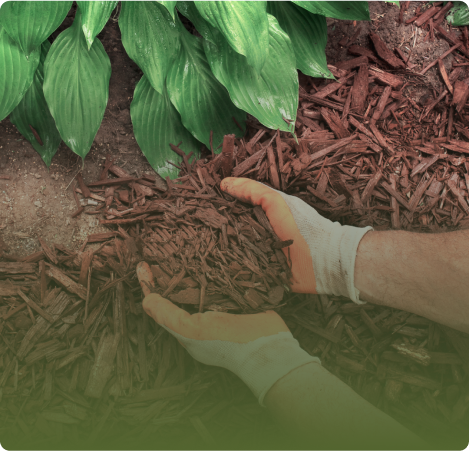
Mulch to the Rescue! Even if you mulched in the spring, it may be time to “top it off” with all this summer heat. The mulch is your barrier, protecting the soil and roots from the scorch of the sun. It’ll keep the soil cooler and slow evaporation of the precious water you are providing. Mulch will also slow weed growth, which means less competition for the food and water. Finally, a nice mulchy blanket just keeps everything protected and happy inside!
Even if you mulched in the spring, it may be time to “top it off” especially with all this summer heat. Your spring mulch could already be breaking down. No worries – decomposing organic matter is just like a snack for your plants! But you want to maintain a good 2-3 inches of fresh mulch around your plants to reap the heat-fighting benefits. So use a garden tool to work the old stuff into the dirt a little bit, then “top off” with fresh mulch for a combined total of 3 inches of old and new mulch. Flatten it out all over, then mound it a bit around your plants, leaving a space around the stems or trunks to prevent rotting.
Water, Water, Water … The Right Way
Back to that all-important H2O. When it comes to helping your plants beat the heat, water is the obvious answer. But watering correctly is important to success.
Timing is everything. The best time of day for watering is early morning so that the hot sun does not have a chance to evaporate the water before it reaches its destination.
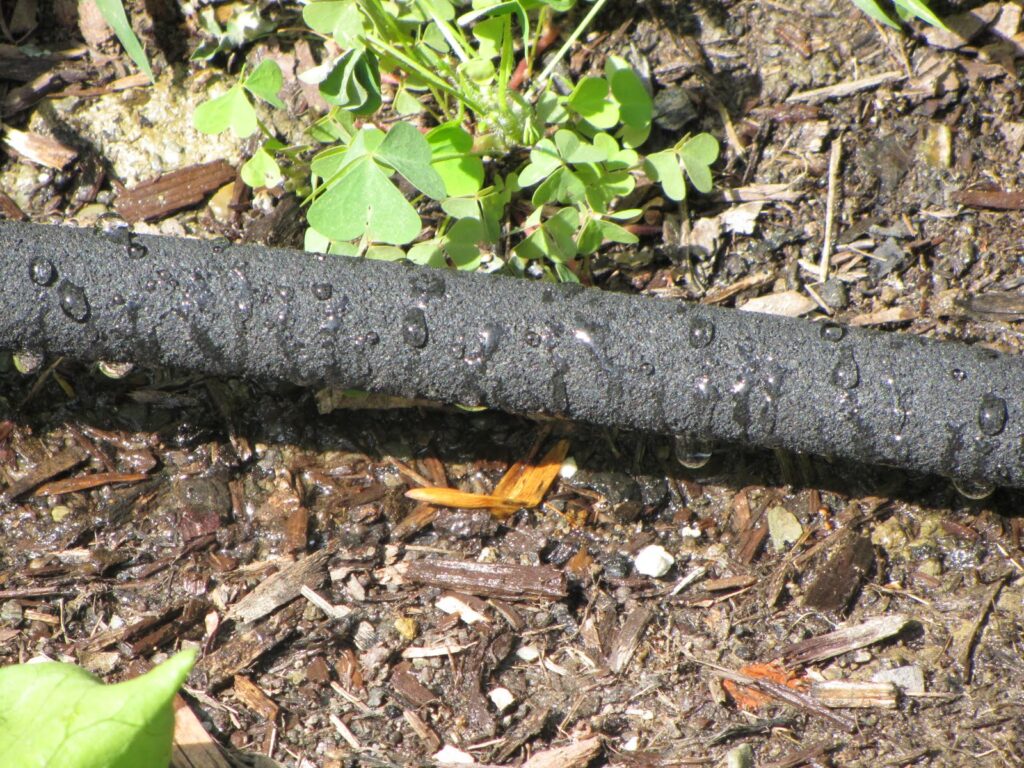
Speaking of destination, water the SOIL not the plant, so the water makes it down to the roots and doesn’t linger on the leaves, which can cause fungus. Use a drip line or a soaker hose to irrigate from below instead of using an overhead sprinkler or hose.
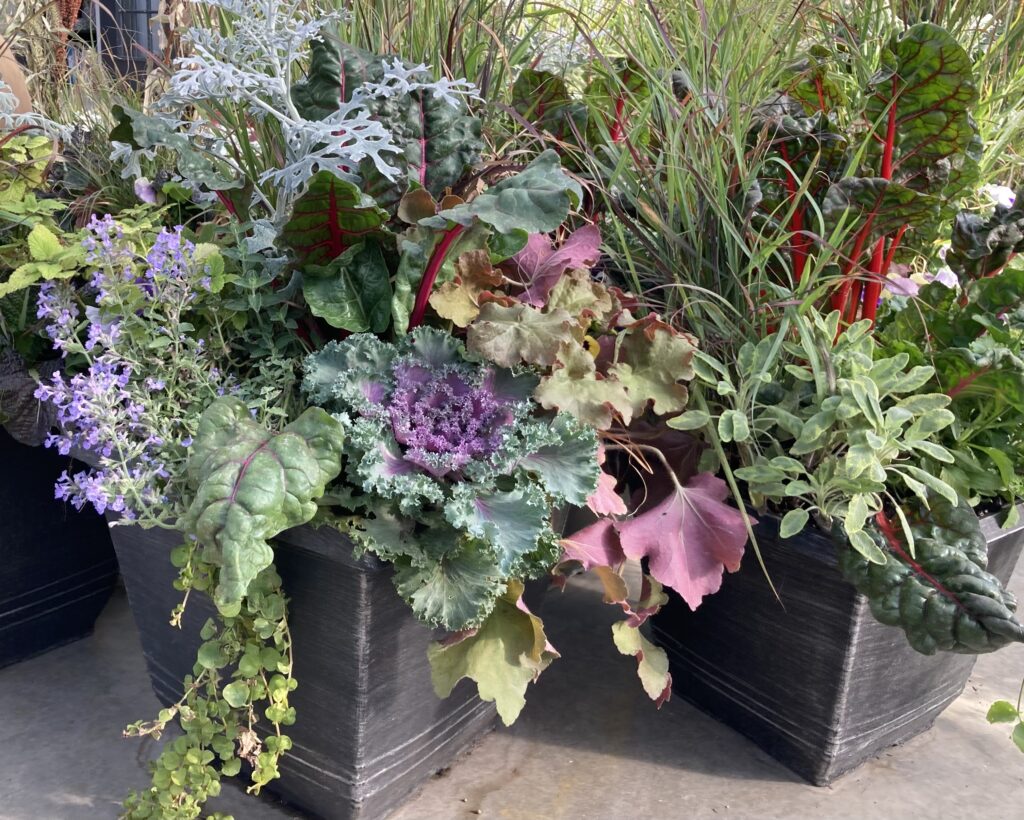
And some unfortunate news regarding container plants: you may need to water twice a day to keep them from drying out.
But Wait, There’s More!
There are a few more steps you can take to help your gardens and landscaping beat the summer heat. And luckily, one of the things you can do is NOTHING! DON’T prune and DON’T fertilize. Those brown and extra leaves can help shade new buds and growth from sun and wind. Also, pruning and fertilization stimulate more growth which requires extra energy and water – things your plants simply do not have to spare right now.
If you’re not the “do nothing” type, a couple things you CAN do are: protect gardens from afternoon sun with old cloths or window screens, and protect container gardens from cooking inside by wrapping dark or plastic pots in light towels or burlap. You can also move pots temporarily to a lightly shaded area. Group them tightly (pots touching) to create a more humid micro-climate that will keep them moist longer.