

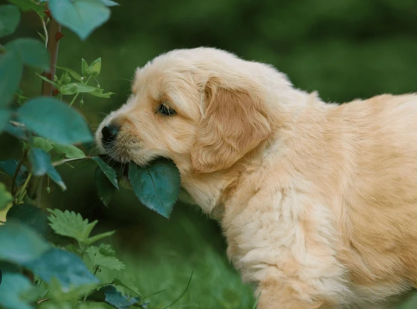
Believe it or not, there may be some poison plants in your garden that could make your children and/or pets very sick (or worse) if they were to eat the leaves, flowers, bulbs, or seeds. While the toxic effects vary by plant and amount ingested, here is a list of ten toxic, even potentially deadly, plants that you might want to avoid if you have pets or children around your home.
10 Poison Plants
- Daffodil: daffodil bulbs pose as the most threatening part of these flowers. If your dog is digging up your daffodils and ingests too much, it could cause vomiting, diarrhea, convulsions, tremors, and cardiac arrhythmia.
- Foxglove: the bell-shaped blooms contain a compound used to treat heart failure, and consumption will give results similar to “taking an unregulated dose of heart medicine” according to Poison Control.
- Hydrangea: the toxin cyanide resides within these popular blooms, but pets and humans would have to ingest a large amount of these flowers for there to be fatal effects.
- Lily: lilies in the Hemerocallis genus (i.e. common tiger and daylilies) endanger cats – eating even a small amount can result in acute kidney failure or possibly death.
- Mistletoe: ingesting this plant could cause digestive issues, slowed heartbeat, and hallucinogenic effects when humans and pets consume large doses.
- Oleander: even consuming a small amount of this plant can be fatal – symptoms of poisoning can include drowsiness, slowed heart rate, and shaking.
- Rhododendron/Azalea: the entirety of these plants are highly toxic. If a flower, stem, or leaf is ingested, it could result in abdominal pain, difficulty breathing, paralysis, coma, and even death.
- Rhubarb: usually the stems are consumed and used for making pies, but be wary of the leaves – eating too many rhubarb leaves could potentially shut down the kidneys.
- Wisteria: this climbing vine rarely harms humans but its seed pods are toxic to dogs, cats, and horses. If your pet eats this plant, it may result in vomiting or diarrhea.
- Yew: this common hedge or privacy screen’s bright red berries can be attractive to children. The shrub contains taxine alkaloids which act as rapid-acting heart paralyzers. While the fleshy red cup surrounding the seed is technically non-toxic, the seed hidden inside it is extremely lethal. Chewing the seeds or eating the needles can cause sudden death in cats, dogs, and humans.
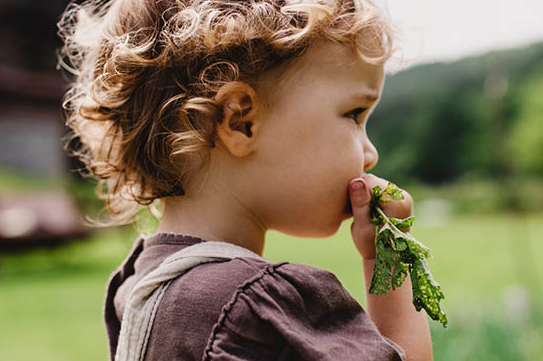
This is only a partial list of poison plants. As you can see by some of the common varieties listed here, it’s best to do your research when picking new plants if toxicity is a concern. And while it may not be a deal-breaker for whether you introduce a plant into your garden, it’s good to have the information so you can steer kids and pets clear of poison plants!