

It seems strange to be thinking spring, but you can get a jump on your 2026 lawn care by taking some important steps this fall. In West Michigan’s USDA Zone 6, spread grass seed now for spring success. Summer heat and drought can take its toll on even the most well-cared-for yards, so reestablishing the lawn while things are cooler and wetter, and before the grass goes dormant in winter, will help ensure you hit the ground running with your lawn care in the spring.

September Sweet Spot
September is the sweet spot of fall for seeding – especially this year, with the warmer than normal temperatures we’ve been experiencing. The timing is right because the soil is still warm enough from summer to boost germination, while the cooler nights and (usually) wetter fall conditions help with retaining the moisture that grass seeds need to thrive. (This September has been unusually dry, so you’ll want to make sure to water your fresh seed A LOT, espcially at first.)
Get Things Right with Your Soil
Most grass types thrive in slightly acidic soil, with a pH of between 6.0 and 7.0. If your soil pH is in question, fall is the best time to conduct testing so you have time to correct the balance before the next growing season. This blog from The Spruce offers a variety of testing tactics and tips: How to Test Soil pH With and Without a Kit. If you do need to increase the pH content of your yard, rake some lime into the soil before you seed.
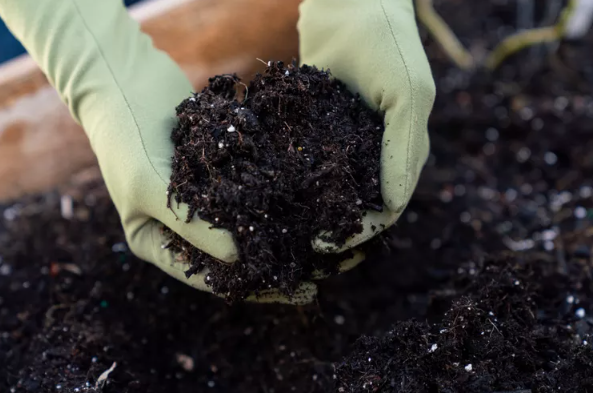
Another common soil issue that can hinder the growth of your fresh seed is overly compacted dirt, which makes it hard for the seeds to root, and difficult for water to drain. If the soil contains a lot of clay, that’s a double whammy because not only does it compact more easily, it also lowers the acidity level. Aerating the ground you plan to seed with an aerating tool and adding some compost material (along with the aforementioned lime) will help lower the soil’s density and raise its acidity.
Ready, Set, Seed
Once your soil is primed for optimum payoff, simply mow the remaining grass in the area you are seeding to shorter than usual height so the new seeds can reach and mingle with the soil. Then use a stiff rake to remove that dead-grass “thatchy” buildup and loosen the top layer of dirt.
Next, water heavily in the spots you are going to seed for a few days, up to a week. Ideally, you will want moist soil to a depth of about six inches. Now, you are ready to spread grass seed for spring success!
For small patches and thinning areas of lawn, grab a bucket or wheelbarrow and mix the recommended amount of grass seed with enough screened topsoil to cover your spot to a 1-inch depth. If you’re seeding larger areas, the best method is to put a 1-inch layer of topsoil down first, then evenly apply your grass seed. Use a seed spreader for bigger plots. Whatever method you use, it is best to cover the freshly seeded area with a thin layer of straw to protect the seeds from hungry birds.
No ‘Set It and Forget It’
Now that your seeds are sown, it’s not time for a vacation just yet. Unfortunately, grass seed is one item where you cannot “set it and forget it.” Your job for the next 2-3 weeks is to water, water, water! Usually, you’d get some help with that task from Mother Nature but so far in West Michigan this season, SHE’S the one who’s on a vacation.
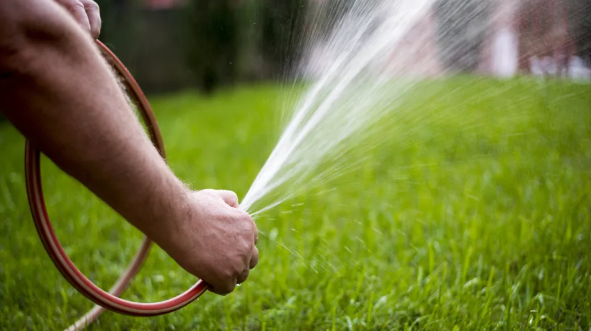
Water lightly 2-3 times per day to keep your seeds consistently moist but not drenched. Once you see the little grass shoots sprouting up and growing, change your watering habits to once or twice a week, with a good soaking each time. This will encourage deep, strong root growth before winter sets in.
Once the new grass is tall enough, around 3-4 inches, you can mow as usual. But there’s one more step to go before settling back for winter. You’ll want to apply a layer of fall fertilizer before the first major freeze or snowfall. Fall is the best and most important time to fertilize because grass is looking for a satisfying meal as it builds up a food reserve prior to winter.
Popular Grass Seed Options at Knapp Valley Gardens
Knapp Valley offers a variety of grass seed options for sale in our Garden Center, maximized for different types of growing environments. Purchase seed blends in bulk that are tailored for sun, mixed sun and shade, or dense shade. Or pick up bags of seed in 3-pound and 10-pound quantities.
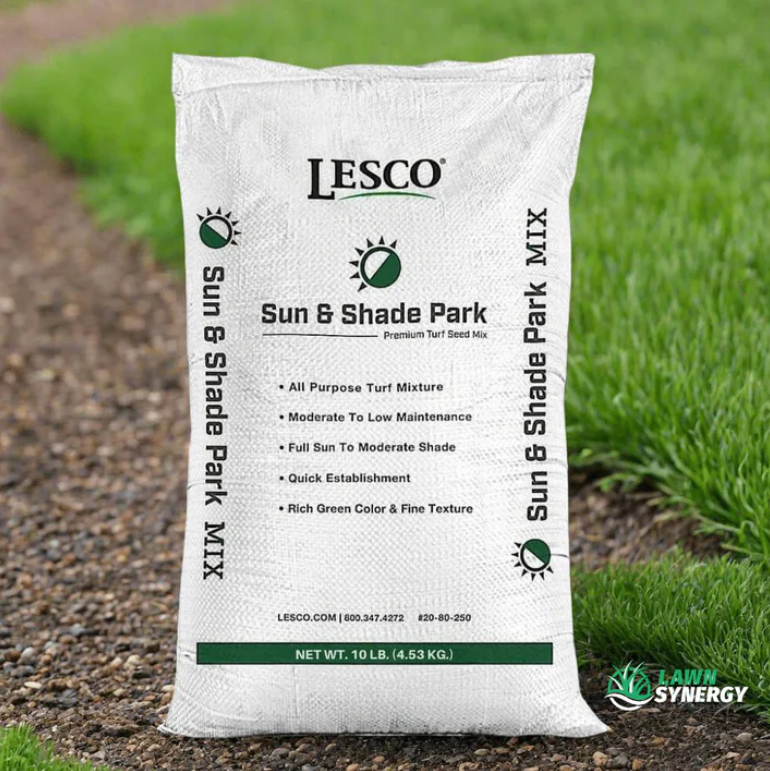
Our bagged seed options include Jonathan Green Blue Panther Kentucky Bluegrass in a 3-pound bag, or several Lesco varieties in a 10-pound bag. The Lesco Sun & Shade Park is a blend of Kentucky bluegrass, perennial ryegrass, and fescue that is a popular mix for the soil and climate conditions of West Michigan. The blend offers beauty, durability, and adaptability for a lawn that greens up fast, handles wear, and thrives in both sun and partial shade.
Whichever brand or mix is right for your lawn, NOW is the right time to seed for success next spring! (And if all else fails, we also sell sod. 😊)